Indonesian Coconut Curry

Oooooh, this is a good one. Velvety, unctuous, vegan – and delicious.

If you’ve got it, some quickly fried tempeh would be fantastic – and location-appropriate- here. I used crisped tofu, which is also great.

Gluten-free, vegetarian, vegan
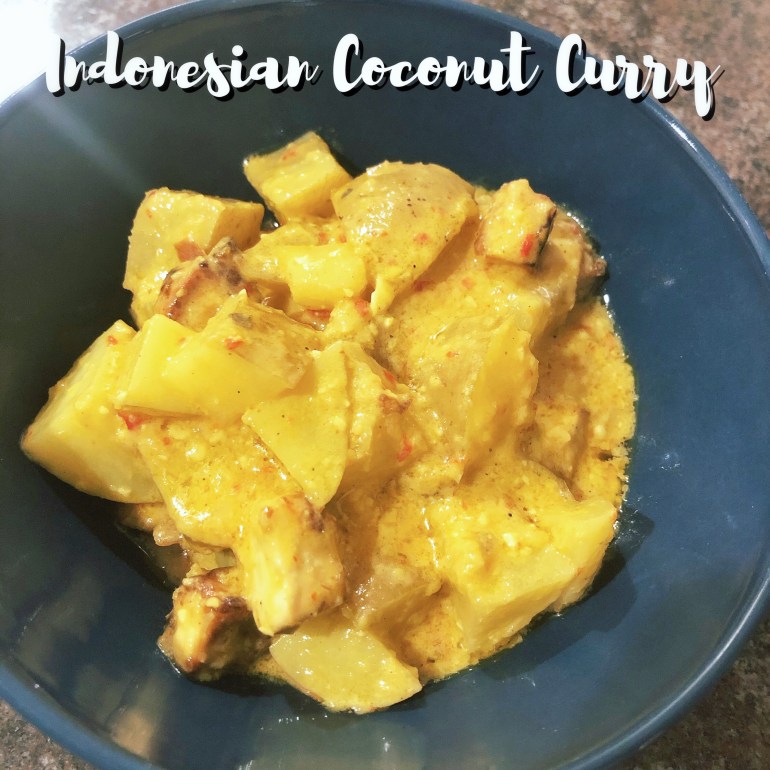
Indonesian Coconut Curry

3 cloves garlic
2 small shallots
2 red chilis
1 Tbsp. turmeric powder
1.5 inches fresh ginger
4 macadamia nuts
1 tsp. ground coriander
1 tsp. black pepper
Few grinds salt
4 Tbsp. coconut oil
6 small white potatoes
1 can light coconut cream
3-4 kaffir lime leaves
1 pkg. extra form tofu
1 Tbsp. neutral oil
1 Tbsp. coconut aminos or soy sauce
1 Tbsp. cornstarch

First, preheat the oven to 200C (375F).

Prep the tofu by slicing into bite-sized squares, covering with paper towels or a tea cloth and pressing with something heavy. Let sit half an hour.

Delicately place in a large bowl. Add the oil, coconut aminos and cornstarch – lightly fold to combine without breaking.

Turn the tofu out onto a prepared baking sheet in a single layer, ideally with a little space between the pieces. Bake 10 minutes, flip, and bake an additional 10 minutes or until crisped up and browned. Remove and set aside.

Make a curry paste by whizzing everything above the coconut oil in a food processor until a paste forms, adding a little water if necessary.

Chop the potatoes into bite-sized pieces.

In a large pan, heat the oil over medium heat. Add the curry paste and fry until very fragrant and just beginning to brown.

Add the potatoes, coconut cream and kaffir leaves and stir to combine. Sautée 15 – 20 minutes, stirring occasionally, until the potatoes are softened and the sauce reduces down to a velvety smoothness.

In the last 5 minutes of cooking, fold in the crisped tofu.

Serves 4

Nasi Goreng: Version 1

I just got back from a fantastic vacation spent exploring a new place – and a new food culture – and wanted to come home and continue that goodness.

Random tidbit of information: tempeh is actually from Indonesia, it’s not just an OG hippie food.

That has little to do with this recipe (though most of the dishes of Nasi Goreng I had in Bali came with sides, including some ridiculously delicious tempeh).

Nasi Goreng is one of the dishes typically associated with Indonesia (some say it’s the national dish), although it’s popular in other Southeast Asian countries as well as the Netherlands. This dish is basically just fried rice – with no singular recipe, instead typically consisting of leftovers from the previous day.

This version of the dish doesn’t taste exactly like what I had on vacation, but it’s delicious nonetheless. I feel the sauces I had in Indonesia were richer, and in subsequent versions I’ll be working toward that – but this is a great starting place.

Can be made gluten free (just sweeten some coconut aminos), paleo (swap out the rice for Cauli rice and the ketjap), pescatarian (omit the chicken), or lacto-ovo vegetarian (omit the shrimp, shrimp paste & chicken)

Nasi Goreng: Version 1

3 cups leftover cooked rice (I used short grain sushi rice)

1 shallot

4 cloves garlic

1/4 cup frozen peas

1/4 cup frozen carrots

1 bok choy

2 eggs + 1 per person

250g chicken breast

200g tiny shrimp, chopped

4 Tbsp. prepared ketchup

4 Tbsp. ketjap manis

2 Tbsp. sambal olek

2 tsp. shrimp paste

Neutral oil

Salt & pepper

Chop the chicken into small bite-sized pieces, liberally season with salt and pepper, and sautée in 1 – 2 Tbsp. neutral oil until cooked through. Remove.

While the chicken is working, mince the shallot and garlic. Chop the bok choy and separate the stems from the leaves. Defrost the frozen veggies. Assemble the rest of the ingredients. Mix the ketchup, ketjap and sambal to form a sauce. Crack 2 eggs and lightly scramble.

Fry the shallot & garlic in 1 Tbsp. neutral oil over medium-high heat in the chicken pan, making sure to scrape up any browned bits and incorporating them.

When the shallots go translucent, add the shrimp paste. Stir to combine.

Add the bok choy stems and stir-fry until beginning to soften. Add the peas, carrots and bok choy leaves. Stir fry a minute or so until combined.

Add the rice, chicken & shrimp. Stir fry a minute or so to combine.

Add the sauce, stir to combine, and push the rice to the sides of the pan to make a well in the center. Add the scrambled eggs, let sit a minute to firm up on the bottom, and stir through the rice mixture until cooked.

Serve topped with an egg that’s been fried on medium-high heat until the edges are really crispy and the yolk is just set.

Serves 4 – 6 depending upon whether you are serving with sides (popular sides include: tempeh, fried tofu, hard boiled and then deep fried eggs, green bean and cabbage salads, and shrimp chips – plus I’m sure more – this is just what I was served as sides; I’m sure every household has its own version)

Bulgogi Chicken Bowl

Another dinner from my week whose directive from the hubbs included chicken & rice. This was another fantastic one – though fair warning: it’s a bit spicy. Deliciously so.

gluten-free

Bulgogi Chicken Bowl

1 Fuji or Gala apple

1 pear

1 thumb ginger

1 green onion

1 white onion

5 cloves garlic

1/2 cup soy sauce or coconut aminos

1/2 cup gochujang

Sprinkle black pepper

1 Tbsp. sugar

1 – 1.5 lbs. boneless skinless chicken (I used thighs and breasts)

A second green onion

A sauce you enjoy (I used Bulldog bbq in place of the brand of slightly sweet teriyaki I was searching for)

Kewpie mayo

Toasted sesame seeds

1/2 – 1 cup cooked short grain white rice per person

Make the marinade by blending all ingredients above the chicken until mostly smooth.

Cut the chicken into bite-sized pieces and add to the marinade. Let sit an hour to the next day.

Place into your favorite multi or slow cooker. Mine has a button for “meats”. I punched that and 20 minutes later, the chicken was done.

Serve over rice, garnished with the sauce, mayo, second green onion and sesame seeds.

Serves 4 – 5

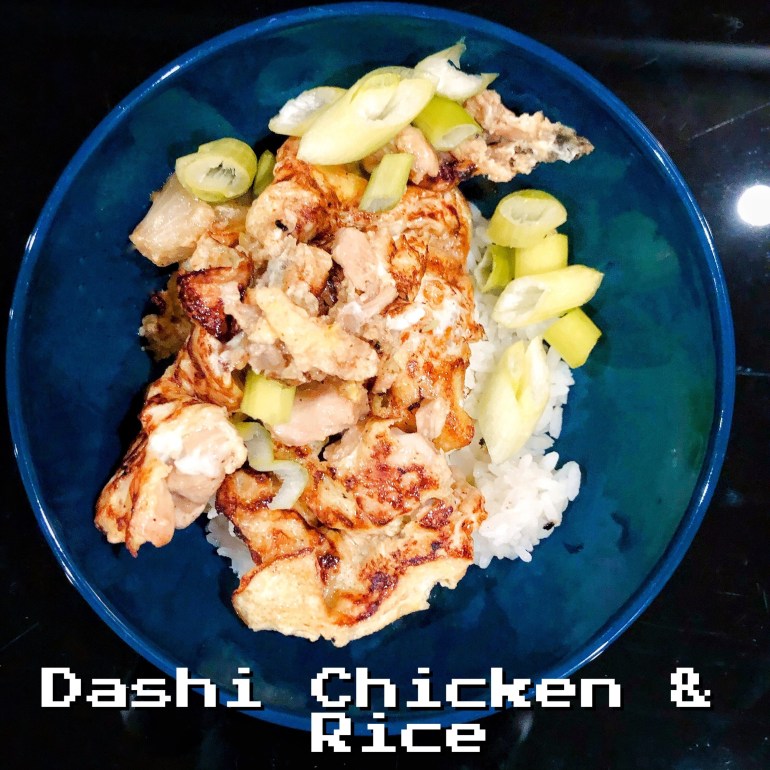
Dashi Chicken & Rice

The directive for this week was simple: chicken & rice. DH said he didn’t care what nationality and what fanciness happened on top, just that he was craving chicken & rice.

IMHO, this was a bang-up week for dinners, yielding two that I can’t wait to share with you guys.

This is a quick weeknight dinner, and can be changed up easily by tossing in a handful of green leafies or something orange.

gluten-free

Dashi Chicken & Rice

1 – 1.5 lb. boneless skinless chicken (I used a mix of thighs and breasts)

1 yellow onion

2/3 cups dashi stock (I used instant granules)

2 tsp. rice wine vinegar

1 Tbsp. coconut aminos or soy sauce

1 tsp. sugar

1/2 – 1 cup cooked short grain rice per person

1 scallion

1 egg per person

2 Tbsp. neutral oil

Salt & pepper

Cut the chicken into bite-sized pieces. Add to your largest skillet, which has been brought to temperature over medium-high heat with 2 Tbsp. neutral oil added.

Sautée until white. Hit with salt & pepper.

While the chicken is working, halve and thinly slice the onion. Toss in when ready. Continue sauteeing until the onion is softened.

Add the dashi, rice vinegar, soy sauce, and sugar.

Kick the heat down to medium and sautee until the chicken is cooked through.

Portion out, leaving a single serving in the pan. Crack in an egg and whisk lightly with a chopstick.

Let cook until set, and turn out over your bowl of rice. Serve topped with a liberal sprinkle of green onion.

Harvest Cauliflower Pilaf

Ok, so I’m on a harvest-theme here lately, and all the dishes that have been making me happy speak of (North American) Fall.

This dish is lighter-than-expected, makes a lovely salad for surprise company, and can be bulked up easily to feed a crowd.

It’s also fantastic topped with leftover turkey pancetta and pepitas from last week’s Fall Harvest Soup recipe.

Quick note: if your coconut flakes look like mine (shreds) and you toast your cauliflower as deeply as me (I like some burnt pieces), this dish may look like it has croutons in it. Which was giving my brain a weird disconnect that was less than pleasant. The coconut in here is actually really pleasant and gives a nice little subtly sweet nuttiness with a bit of texture.

Gluten-free, paleo, vegetarian, vegan, Whole30

Harvest Cauliflower Pilaf

1 smallish head cauliflower, cut into small bits or riced (I did small bits because with my current kitchen setup I just can’t be bothered to fully rice cauliflower)

1 apple (Granny Smith or Fuji – you want something with a bit of tartness or crispness)

2 cloves garlic, minced

Double hand full flat leaf parsley, chopped

Pomegranate seeds (I’m lazy and buy mine prepared – I used a good amount and keep adding more fresh every time I go for leftovers because they’re delightful and so very pretty. Use however much your eye wants to bring nice color to this otherwise very green dish)

3 Tbsp. coconut milk (optional)

Juice of 1 lemon

2 Tbsp. pomegranate molasses

Few generous sprays oil (I love a grape seed oil pump I’ve been using lately – it’s really cutting down on the amount of oil I feel I have to use)

Generous sprinkle black pepper

Liberal amount of salt

Generous sprinkle cayenne pepper

Generous sprinkle curry powder

Generous sprinkle cumin powder

1/2 cup slivered almonds

1/4 cup unsweet shredded or flaked coconut

Preheat your oven to 200C (400F). Prep a baking sheet with a liner, process your cauliflower into tiny bits, and spread in a single layer.

Hit with the oil, salt, pepper, cayenne, cumin, and curry). Toss and roast for 35-40 minutes or until your desired toastiness is achieved.

In the last 5 minutes (or if you forget, stir the cauliflower, flip the pan around and put back in the oven), chuck the almonds & coconut on the pan. Roast to toast 3-5 minutes, being careful to watch and make sure these delicate additions don’t burn.

When done, add to a large bowl.

Chop and toss in the apple, garlic and parsley. Add the coconut milk, lemon juice and pomegranate molasses. Toss to combine. Add enough pomegranate arils to make yourself happy.

Serve room temp or cold – either way is fantastic.

Serves 4 as a meal or a party as part of a larger spread

Fall Harvest Soup

This soup feels like a hearty, warm hug but gives a nice light dinner that doesn’t weigh one down.

Gluten-free, paleo, vegetarian, vegan, halal, Whole30

Fall Harvest Soup

1 medium carrot, chopped
2 sweet potatoes, peeled and chopped
3 cloves garlic, chopped
1 onion, chopped
2 cups kale, chopped
2 Tbsp. stock powder (I used a vegan chicken stock)
48 ounces water
1/2 can coconut milk
Generous sprinkle oregano
Generous sprinkle cumin
1/2 tsp. ground nutmeg
1 tsp. ground cinnamon
1 tsp. cayenne pepper
Liberal sprinkle black pepper
Liberal salt
1.5 Tbsp. butter or vegan equivalent
Big hand full pepitas toasted in 1/2 tsp. coconut aminos
Optional: 4 ounces turkey bresaola, crisped until browned in a dry pan

Prep all veggies and add to a slow or multi cooker with spices and liquids (everything but the butter, pepitas and bresaola).

Press the stew/soup setting.

When complete, open the lid and add the butter/butter substitute. Let cool a bit and blend all but 1/4 until smooth. Add the reserved 1/4 back in for texture.

Serve topped with the pepitas and bresaola if desired.

Serves 6

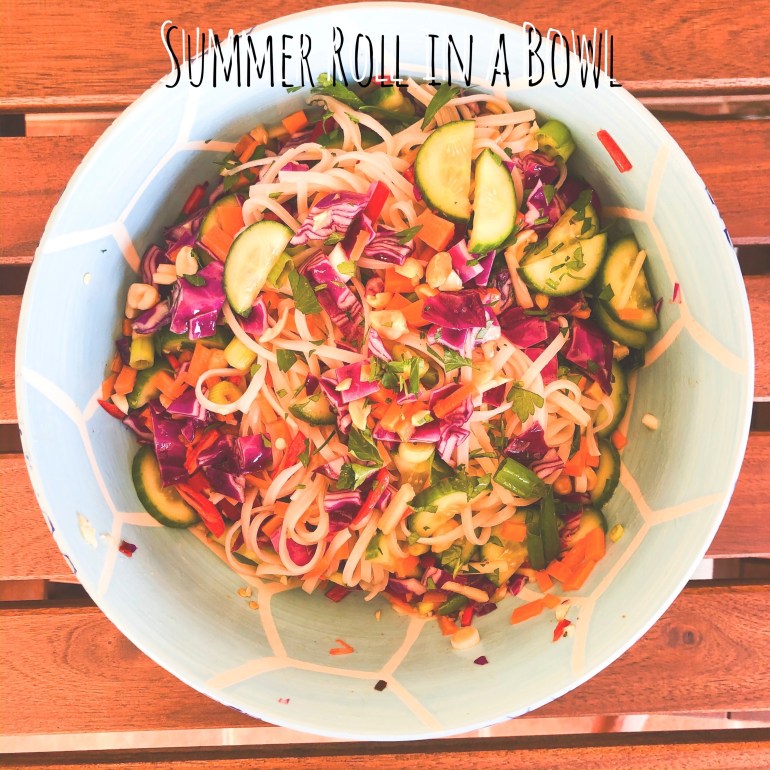
Summer Roll in a Bowl

This recipe came out of a craving for veggies and color + yet another scroll through Instagram for inspiration.

Summer rolls can be made a million different ways, but this version incorporates most of my favorite elements – some sort of crunchy brassica, sweetness from carrots, the fresh crispness of cucumber, and a little kick of heat from pretty red chilis.

I also tried to recreate a slightly less suspect in color version of the sweet chili sauce often served with rolled appetizers – and then went a little heavier on the savory components because I really like to doctor my own sauces tableside.

Gluten-free, vegetarian

Summer Roll in a Bowl

The Salad

1 inch fresh ginger, sliced into thin matchsticks
1 medium carrot, shredded or cut into matchsticks
1 cucumber, sliced into half moons
1 clove garlic, minced
1 red chili, sliced into matchsticks
2 green onions, sliced into thin rounds
1.5 cups red cabbage, finely chopped
2 cups rice noodles, soaked in hot water 10 minutes to soften and drained

The Dressing

2 Tbsp. honey
Juice of 2 limes
1 Tbsp. sriracha
3 Tbsp. neutral oil (I used canola)
1 Tbsp. rice vinegar
1 Tbsp. soy sauce
1 Tbsp. fish sauce
2 tsp. red pepper flakes

Toppers

Big hand full chopped nuts for crunch and fat (I had roasted peanuts)
Big hand full chopped cilantro
Protein of choice (Simple poached chicken or shrimp would be great)

Boil water, add the rice noodles to a big bowl, and pour the boiling water over the noodles, making sure they are fully submerged. Let sit while you prep the rest o fly the salad.

Prep the salad veggies and add to a large bowl.

Whisk the dressing ingredients together and pour over the salad.

Drain the noodles and add to the salad + dressing, tossing to combine.

Let sit at least half an hour to combine flavors.

Add toppers, toss again and serve.

Serves 3 – 4

Indian Eggy Wrap

This recipe was inspired by the power of Instagram and has straight up become an obsession. This is half of what I’ve eaten in the last week, and I’m super bummed that I’m now out of wraps. I may just have to go to the store this afternoon for a resupply.

My version of this recipe is a blend of a Kolkata Egg Wrap posted by @playfulcooking and a good excuse to grab some of the ingredients for a Mumbai Street Sandwich posted one many forms by @saffrontrail. (Sidebar: if you love Indian food and beautiful photography, follow these ladies. They make some really inspiring dishes).

I took the eggy wrap constrict from one and just happened to run across a jar of Bombay Sandwich Sauce (a spicy mint chutney) in my local grocery, and bam. This lovely concoction that I currently can’t get enough of.

(lacto ovo) vegetarian

Indian Eggy Wrap

1 Chapati or paratha (fresh would obvs be best, but I happened to run across a whole wheat Chapati by Mission, and it wasn’t half bad) per sandwich

1-2 eggs per sandwich

A few thin slices cucumber per sandwich

A few thin strands of scallion per sandwich

2 tsp. – 1 Tbsp. Bombay Sandwich Sauce or mint chutney per sandwich

Salt & pepper

1 tsp. butter

Heat a small pan (roughly the same size as your bread) over medium heat. Add the butter and melt.

While the butter is melting, scramble the egg(s). If you are making more than 1 sandwich, make each batch separately.

Pour the egg into the pan, swirling to the edges to form a thin pancake. Season with salt and pepper and cook until solid on the bottom and still wet on top.

Nestle the chapati on top of the egg, pushing gently down to glue together.

While the egg fully cooks, slice the cucumber as thin as possible.

When the chapati starts puffing up a bit in the center, it’s time to flip. Flip carefully.

Back to finishing the cucumber and slicing the scallion thinly (I like mine lengthwise, but this is kind of a pain. You do you.).

Add a few cucumber strips and scallions down just to the side of the middle of the pancake. Drizzle your desired amount of sauce. Fold one side over to form a quesadilla-looking sandwich. Smash down with your spatula so it stays closed. Let cook another minute or so if the flipped side of the chapati doesn’t look burnt.

Best enjoyed wrapped in a paper towel to catch the sauce that will inevitably shoot out the end.

Serves 1

Vegan Cheesy Gochujang Noodles

Some days I don’t know why I get into my head the taste combinations I do. This is not one of those days. For some reason, something a couple I love on YouTube had said in a video I watched who knows how long ago popped into my head and I just couldn’t shake the desire to find out what cheese + Gochujang tasted like.

(Side note: if you like food, are interested in either Asian cuisines or finding out what it’s like to live in either Korea or Japan as a North American expat, check out Simon and Martina’s channel and blog: Eat Your Kimchi. It’s well worth the binge watch. Find them, and the recipe whose vague memory inspired this one here. Now, back to your regularly scheduled blah-blah!)

Now, I can’t do animal cheese, and I’m not even trying to pretend that this version tastes like cheese cheese (I think if I added garlic powder and mustard powder it might – but I’m still reintroducing foods, and Gochujang was my challenge food today), but it has a hint of cheesiness and a nice richness from the coconut milk.

If you’re batch cooking this recipe, maybe add a bit more coconut milk to the mix – mine turned out a bit clumped-together for subsequent meals; it loosened up on heating and stirring, but it could have been a skosh freer in the storage container.

Gluten-free, vegetarian, vegan

Vegan Cheesy Gochujang Noodles

3 Tbsp. gochujang
1/4 c. sesame oil
1/4 c. soy sauce or coconut aminos
1/4 c. nutritional yeast
1.5 in. grated ginger
1/4 c. coconut milk
Garlic oil
Bok choy, chopped
Rice noodles
Green onions
Sesame seeds
Ketjap manis

First, boil some water and set your rice noodles to soak – I do 1/2 – 1 cup per serving.

While the noodles are soaking, chop the bok choy and sautée in a large skillet over medium-high in a few squirts garlic oil. Season with a little sprinkle soy sauce/coconut aminos to season.

While those are both going, whiz together the ingredients from coconut milk up to make a sauce.

Slice the green onions and set aside for garnish. If you’re not vegan, prep your protein too (egg, little shrimps and rotisserie chicken all go great here). Grab your sesame seeds.

When the bok choy is cooked to your liking, drain the noodles and add to the pan. Stir with tongs to break them apart gently and fully incorporate the veggies. Add the sauce and stir again. Cook everything together a few minutes.

Top with the green onions, a generous sprinkle of sesame seeds, optional protein, and a swirl of ketjap manis.

The sauce makes enough to support 2.5 big servings

Keto Sushi

Ha! Finally! Keto sushi! I have no idea where exactly I saw a version of this recipe, but I do remember I was deep in a Pinterest recipe hole at 3am while I couldn’t sleep one night. Go, night cravings me. I didn’t think keto sushi was a thing unless it involved cream cheese and cauliflower rice.

You can make these however you want – I’d say the only “must” is avocado, but mostly because I love avocado and without it these would not be filling in the slightest. I made 2 rolls for my dinner, and could have eaten double happily. But then again, much like Homer Simpson, I can lay waste to some seafood.

Gluten-free, paleo, keto

Keto Sushi

Nori sheets (1 per roll)
Avocado, sliced into thin strips
Fresh fish of choice (I had salmon on hand), sliced into thin strips
Julienned kimchi
Julienned bell peppers
Julienned green onions

To assemble

  1. Place the nori shiny side up on a bamboo sushi mat or piece of parchment paper.
  2. Place your fish down about half an inch from the edge facing you.
  3. Add your other ingredients in a strip – I did a double-wide strip – fish in a quarter-inch thick slice topped with avocado then pepper and scallion with kimchi on top.
  4. Wet the edge closest to you with a finger dipped in water.
  5. Roll the damp raw edge over the fillings.
  6. Roll the edge of the mat (or paper) over the roll and push back with your hands to compress into shape.
  7. Slowly roll the mat (or paper) away from you while compressing to form the roll.
  8. Wet the far edge with a finger dipped in water.
  9. Seal by rolling the sushi over the edge and pressing a bit to stick.
  10. To slice, dip your sharpest (non-serrated) blade in water and pull through the roll quickly, taking care not to mash. My first cut was a hot mess – with subsequent cuts, I started on the far side and sliced towards myself. Which I’m sure offends some sort of sushi gods, but so probably does kimchi and zero rice. I have not yet been haunted.