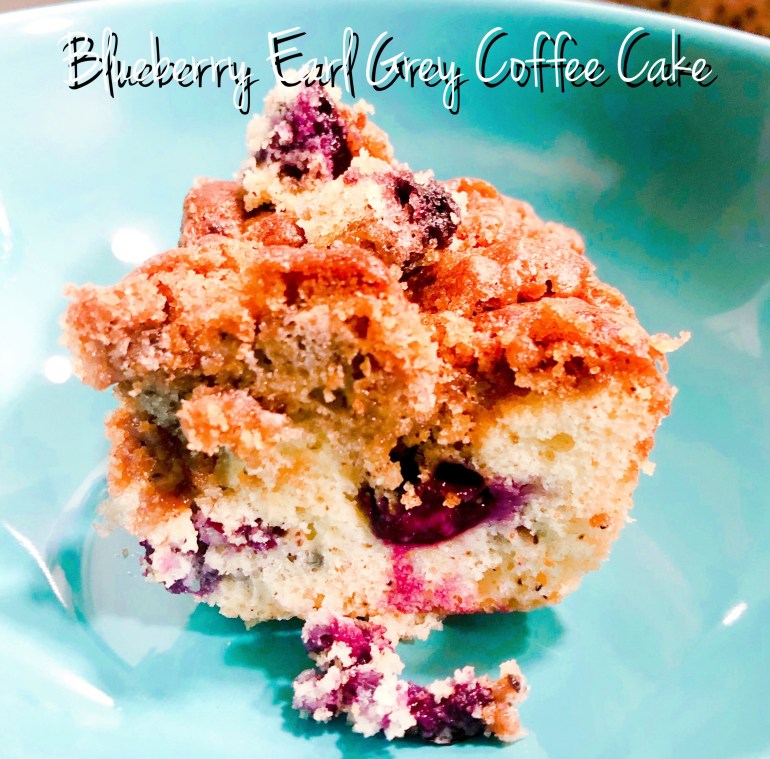
Blueberry Earl Grey Coffee Cake

This recipe was inspired by the amazeballs blueberry lavender coffee cake with lemon curd I had at the St. George bakery while celebrating a friends wedding in Helsinki.

This coffee cake was fantastic. Full of blueberries, on the thin side for a coffee cake, deeply caramelized, with a really great herbaceous hit in the bites with lavender.

So freakin delicious.

This recreation isn’t that, but it’s good. Couldn’t find lavender and forgot about the lemon, but the coffee cake turned out well. Next time, I’d use steeped tea in place of the water and maybe add a touch more tea leaves – maybe another half bag – some people could taste the tea, but I didn’t get the slightly bitter note I was going for. I would also maybe just use blueberry purée instead of jam – the cake was a touch sweet for my taste for multiple servings.

Vegetarian (lacto-ovo)
Blueberry Earl Grey Coffee Cake

Cake

15.25 ounce box yellow cake mix, reserve 1 cup
2 eggs
2/3 cup water (or strong brewed tea)
1/2 cup all purpose flour
1/4 cup canola oil
1 bag Earl Grey lavender tea, pulverized time dust

Topper

1/4 cup blueberry preserves
As many blueberries as you want

Crumble

1 cup reserved cake mix
1 cup packed brown sugar
1/4 cup melted butter
1 teaspoon cardamom
1 teaspoon cinnamon

Preheat your oven to 350 F/180 C.

Line a small casserole with baking paper and spritz with oil.

In a large bowl, combine the cake ingredients. Mix with electric beaters on low until the dry ingredients are incorporated. Scrape the sides of the bowl to get everything and mix until no lumps are left.

Turn out into the prepared pan, reserving about 1/4 cup of the batter. Sprinkle the blueberries over the top of the cake.

Mix the jam with the reserved cake batter and pour over top.

In a medium bowl, mix the crumble ingredients with a fork until combined into crumbs & pebbles. If your mix is a little wet, add a sprinkle of flour.you’re looking for a mix of sandy crumbs and small pebbly bits.

Sprinkle crumble over the cake.

Bake 22 – 30 minutes or until a knife inserted in the middle comes out clean. If your cake is browning too quickly, tent with foil.

Serves a bunch

Indian Eggy Wrap

This recipe was inspired by the power of Instagram and has straight up become an obsession. This is half of what I’ve eaten in the last week, and I’m super bummed that I’m now out of wraps. I may just have to go to the store this afternoon for a resupply.

My version of this recipe is a blend of a Kolkata Egg Wrap posted by @playfulcooking and a good excuse to grab some of the ingredients for a Mumbai Street Sandwich posted one many forms by @saffrontrail. (Sidebar: if you love Indian food and beautiful photography, follow these ladies. They make some really inspiring dishes).

I took the eggy wrap constrict from one and just happened to run across a jar of Bombay Sandwich Sauce (a spicy mint chutney) in my local grocery, and bam. This lovely concoction that I currently can’t get enough of.

(lacto ovo) vegetarian

Indian Eggy Wrap

1 Chapati or paratha (fresh would obvs be best, but I happened to run across a whole wheat Chapati by Mission, and it wasn’t half bad) per sandwich

1-2 eggs per sandwich

A few thin slices cucumber per sandwich

A few thin strands of scallion per sandwich

2 tsp. – 1 Tbsp. Bombay Sandwich Sauce or mint chutney per sandwich

Salt & pepper

1 tsp. butter

Heat a small pan (roughly the same size as your bread) over medium heat. Add the butter and melt.

While the butter is melting, scramble the egg(s). If you are making more than 1 sandwich, make each batch separately.

Pour the egg into the pan, swirling to the edges to form a thin pancake. Season with salt and pepper and cook until solid on the bottom and still wet on top.

Nestle the chapati on top of the egg, pushing gently down to glue together.

While the egg fully cooks, slice the cucumber as thin as possible.

When the chapati starts puffing up a bit in the center, it’s time to flip. Flip carefully.

Back to finishing the cucumber and slicing the scallion thinly (I like mine lengthwise, but this is kind of a pain. You do you.).

Add a few cucumber strips and scallions down just to the side of the middle of the pancake. Drizzle your desired amount of sauce. Fold one side over to form a quesadilla-looking sandwich. Smash down with your spatula so it stays closed. Let cook another minute or so if the flipped side of the chapati doesn’t look burnt.

Best enjoyed wrapped in a paper towel to catch the sauce that will inevitably shoot out the end.

Serves 1

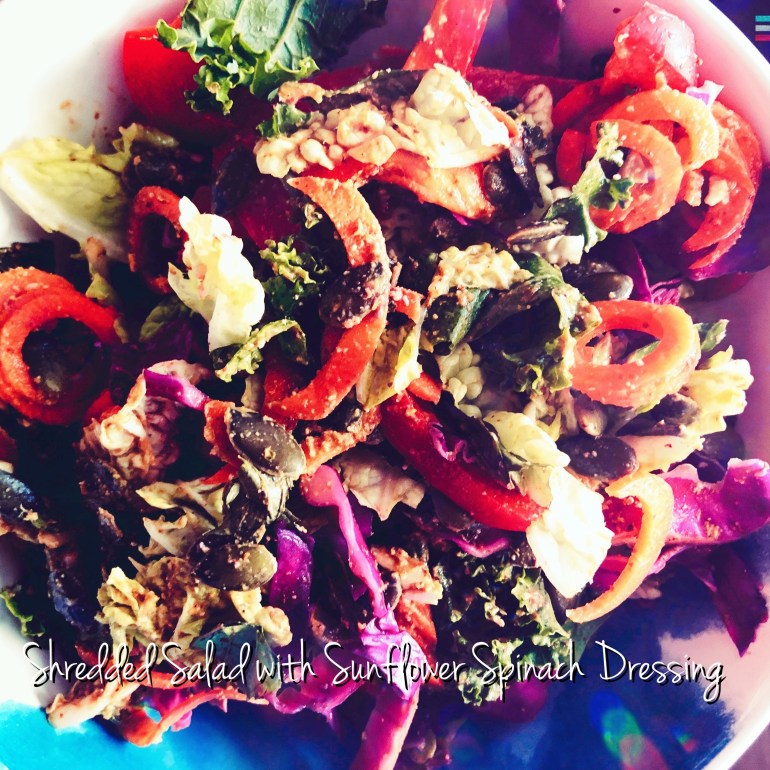
Shredded Salad with Sunflower Spinach Dressing

I know, I know – another weird-sounding recipe that turns out surprisingly good despite sounding wrong.

This is a great way to sneak in a liiiiiiiitle extra nutrition (not that this already packed salad needed more greens) on weeks when you feel like you haven’t seen a real vegetable (helloooo, adulting).

This salad also keeps well even dressed and, if you’re like me and enjoy confusing your friends, is easy enough to bulk up enough to serve a crowd.

Gluten-free, vegetarian, vegan, raw, paleo, Whole30

Shredded Salad with Sunflower Spinach Dressing

For the salad, add the following to a large bowl:

1 cup ribboned collards or kale

1.5 cups ribboned red cabbage

1.5 cups ribboned Napa cabbage

1 medium carrot, shredded

1 large red pepper, julienned

1 hand full mint, chopped

2 Tablespoons pickled jalapeños, chopped

1 big hand raw pumpkin seeds

For the dressing, add the following to a blender:

1 big hand hulled sunflower seeds

1/4 cups frozen spinach

Juice of 1 lemon

1 Tablespoon your favorite grainy mustard (y’all know my affinity for Maille)

1 Tablespoon Apple cider vinegar (I accidentally added 1.5 and it would have been too pungent on day 1 – I didn’t get around to eating a big bowl of this until day 2, so the flavor had mellowed)

2 teaspoons ground cumin

10 grinds salt

Generous sprinkle black pepper

2 teaspoons sweet paprika

50 pumps sprayable oil (or a few glugs)

A little water if needed to get things moving in the blender

Combine the dressing with the salad and either toss well or massage in.

Serves 3-4 as written; easily scaled up for more

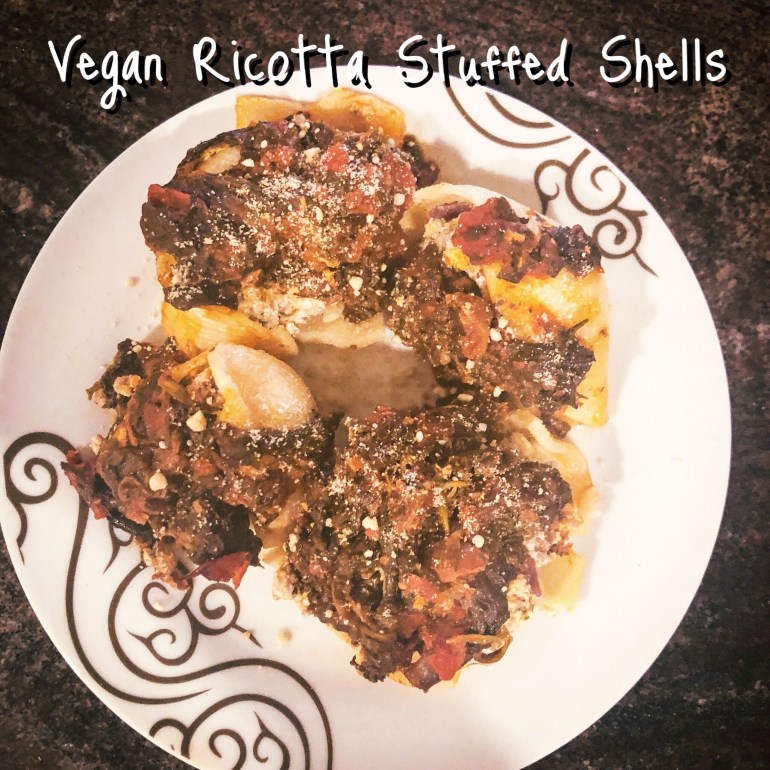
Vegan Ricotta Stuffed Shells (Halal)

Ooh. This turned out better than I expected. It’s not quite the same as the stuffed shells I used to make, since I generally use pork Italian sausage and my husband’s marinara, but it was pretty great nonetheless.

Gluten-free

Vegan Ricotta Stuffed Shells (Halal)

1 lb. ground veal
1 lb. ground beef
1/4 lb. smoked veal bacon
Big shells (gluten free or otherwise)
1/2 c. frozen spinach, thawed
Marinara sauce
Salt
Pepper
Dried basil
Dried oregano
Granulated garlic
Granulated onion

Vegan ricotta

1 block extra firm tofu, pressed
1 Tbsp. garlic oil
1 Tbsp. granulated garlic
1 Tbsp. granulated onion
Juice of 2 lemons
2 Tbsp. nutritional yeast
Salt & pepper

Chop the bacon and add to a large pan over medium-high heat with a couple squirts garlic oil. Sautée a few minutes until beginning to cook. Add the ground meats and break up. Season liberally with oregano, basil, salt, pepper, onion & garlic. Sautée until cooked through; taste and add more seasoning as necessary.

While the meat is working, pulse all ricotta ingredients together in a food processor until combined and it looks like ricotta cheese. Taste and add more salt or acid as needed.

Preheat the oven to roughly 350F and cook the shells to almost al dente. Drain.

To assemble, lay a thin layer of marinara in a baking dish, followed by some spinach. Combine equal parts meat mixture and cheese in a small bowl: stuff each shell to the Max with filling and nestle onto the marinara and spinach. Cover all with the rest of the marinara.

Bake 15 – 20 mins until the pasta has finished its cooking time and everything is nice and warmed through. I prefer the tips of my baked pasta to be the slightest bit burnt on the edges.

Serve with a generous sprinkle cashew Parmesan if you’ve got it.

Serves a bunch – this makes a ton of meat and enough ricotta to stuff enough shells for at least 4

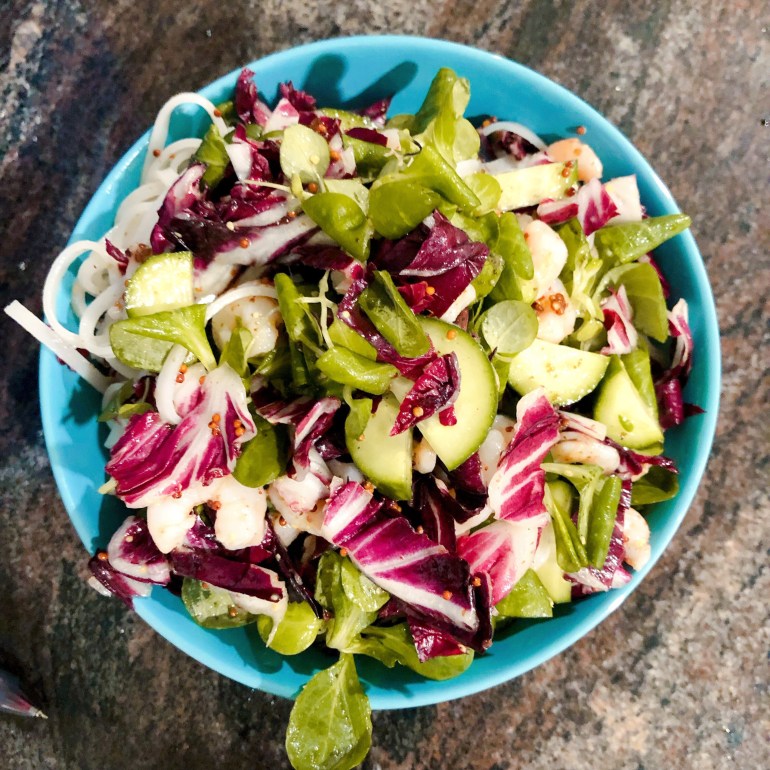
Veggie Rice Noodle Salad Two Ways

This is one of those ‘I was of two minds while at the grocery store and couldn’t quite remember what I was making recipes.’ Don’t you love those days?

This happened to turn out really well, though – both for the dressing I’d written out and forgot at home, and the one I cobbled together in my head while wandering the aisles of my grocery a whole day in the week later than usual. I guess yay, me for thinking on my feet when I didn’t really have to?

Gluten-free, vegetarian, pescatarian

Dressing 2

Veggie Rice Noodle Salad Two Ways

For the salad:

Rice noodles – 1/2 – 1 c. per person
Microgreens
Radicchio, chopped
Cucumber, sliced into moons
Optional: snow peas, shrimp, slivered almonds, sesame seeds

Dressing 1

2 Tbsp. tahini
2 Tbsp. soy sauce
Juice of 2 small limes
10 squirts garlic oil

Dressing 2

1 Tbsp. mustard oil
2 tsp. Apple cider vinegar
1/2 tsp. honey
1.5 Tbsp. grainy mustard
Salt & pepper

First, set the noodles to soak for a full 10 minutes in water that has just come up to the boil. Drain when soft and pliable.

Toss with the rest of the salad ingredients.

Toss again with the dressing of your choice. Taste and add salt, pepper or lemon to taste.

Serves 2 – 4

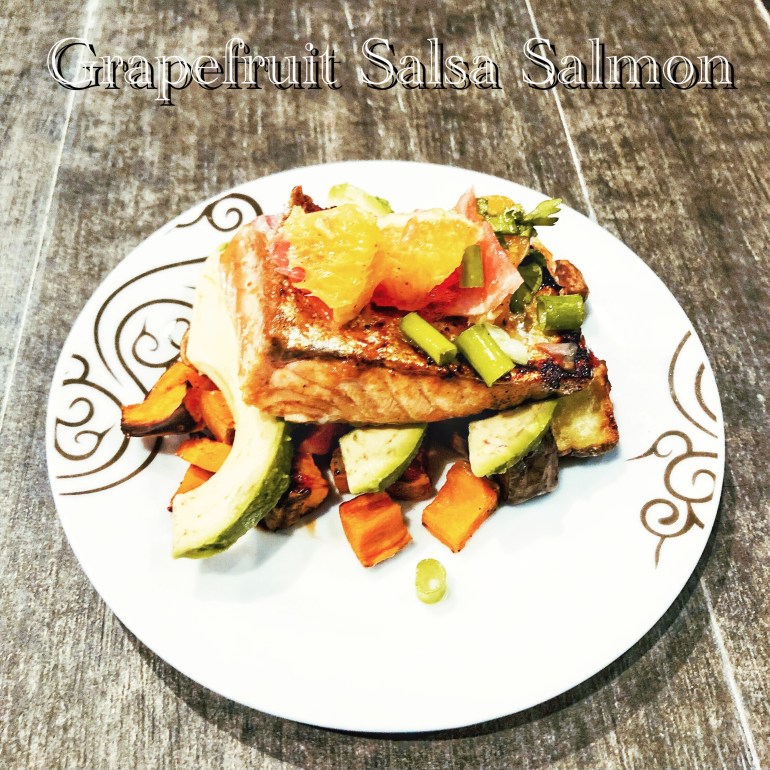
Grapefruit Salsa Salmon

This is a quick, light meal perfect for the heat of Summer or when you’ve had enough of feeling locked in a dark Winter and need a little sunshine on your plate.

Gluten-free, Paleo, pescatarian, Whole30

Grapefruit Salsa Salmon

4 salmon filets
1/4 c. coconut aminos or soy sauce
2 Tbsp. sriracha (check your labels)
1 inch ginger, grated
4 squirts garlic oil
2 Tbsp. pineapple juice

First, prep the ingredients above to form a marinade. Marinate the fish for 3 – 6 hours.

When it’s time to cook, pull the fish, pat dry and sautée over medium-high with a little oil until your desired doneness is reached.

To make the salsa, combine:

1 grapefruit, supremed
1 orange, supremed
1.5 c. cherry tomatoes, halved
1/4 c. cilantro, chopped
Juice of 2 small limes
1 inch ginger, grated
Generous sprinkle cumin
Salt & pepper

Serve with slices of avocado, roasted mixed potatoes and a squeeze of lime.

Serves 4

Vegan Cheesy Gochujang Noodles

Some days I don’t know why I get into my head the taste combinations I do. This is not one of those days. For some reason, something a couple I love on YouTube had said in a video I watched who knows how long ago popped into my head and I just couldn’t shake the desire to find out what cheese + Gochujang tasted like.

(Side note: if you like food, are interested in either Asian cuisines or finding out what it’s like to live in either Korea or Japan as a North American expat, check out Simon and Martina’s channel and blog: Eat Your Kimchi. It’s well worth the binge watch. Find them, and the recipe whose vague memory inspired this one here. Now, back to your regularly scheduled blah-blah!)

Now, I can’t do animal cheese, and I’m not even trying to pretend that this version tastes like cheese cheese (I think if I added garlic powder and mustard powder it might – but I’m still reintroducing foods, and Gochujang was my challenge food today), but it has a hint of cheesiness and a nice richness from the coconut milk.

If you’re batch cooking this recipe, maybe add a bit more coconut milk to the mix – mine turned out a bit clumped-together for subsequent meals; it loosened up on heating and stirring, but it could have been a skosh freer in the storage container.

Gluten-free, vegetarian, vegan

Vegan Cheesy Gochujang Noodles

3 Tbsp. gochujang
1/4 c. sesame oil
1/4 c. soy sauce or coconut aminos
1/4 c. nutritional yeast
1.5 in. grated ginger
1/4 c. coconut milk
Garlic oil
Bok choy, chopped
Rice noodles
Green onions
Sesame seeds
Ketjap manis

First, boil some water and set your rice noodles to soak – I do 1/2 – 1 cup per serving.

While the noodles are soaking, chop the bok choy and sautée in a large skillet over medium-high in a few squirts garlic oil. Season with a little sprinkle soy sauce/coconut aminos to season.

While those are both going, whiz together the ingredients from coconut milk up to make a sauce.

Slice the green onions and set aside for garnish. If you’re not vegan, prep your protein too (egg, little shrimps and rotisserie chicken all go great here). Grab your sesame seeds.

When the bok choy is cooked to your liking, drain the noodles and add to the pan. Stir with tongs to break them apart gently and fully incorporate the veggies. Add the sauce and stir again. Cook everything together a few minutes.

Top with the green onions, a generous sprinkle of sesame seeds, optional protein, and a swirl of ketjap manis.

The sauce makes enough to support 2.5 big servings

Canned Tuna Poke Bowl

Yeah, yeah, yeah, I know – sacrilege. Canned tuna in a poke bowl.

This may not be an Insta-friendly hippie bowl filled with sunshine and $15 worth of amazeballs seafood, but it is delicious, and utilizes a current obsession of mine: the humble can of tuna.

Gluten-free, paleo, pescatarian, FODMAP-reintroduction friendly

Canned Tuna Poke Bowl

Pickled element:
1/3 – 1/2 cup chopped daikon radish
1/3 – 1/2 cup chopped cucumber
1/2 cup rice vinegar
1/2 cup water
Big pinch red pepper flakes

Combine all pickle ingredients, shake well and set aside for at least half an hour to come to some sort of quick pickle before assembling your bowl.

Dressing:
1/2 cup sesame oil
1/4 cup soy sauce, tamari or coconut aminos
2 Tbsp. rice vinegar
2 Tbsp. pineapple juice
1 Tbsp. sriracha
2 tsp. pickled ginger, minced
Juice of 1 lime

Combine all dressing ingredients and shake well. Each serving gets 2 – 3 Tbsp. of sauce.

The rice base:
1 cup raw rice (or use cauli rice if paleo)
1/4 cup pickled ginger, minced
1/4 cup rice vinegar
1/4 cup furikake
1/2 sheet nori, snipped into tiny pieces
Hefty sprinkle shichimi togarishi seasoning

Cook the rice to your liking and before it cools, add the other ingredients, working into the warm rice with either a silicone spatula or wooden spoon. Each bowl gets 1/2 – 1 cup rice.

Bowl toppings:
Canned tuna (I used 60 – 95g cans plain or lemon pepper seasoned)
Mango (especially good if you need a FODMAP challenge food)
Sprouts
Carrot matchsticks
Avocado (also a good FODMAP challenge food)
Fried egg
Cilantro
Pickled element
Poke dressing

Lay a base of rice and top with any and all of these toppings. Spoon 2 – 3 Tbsp. dressing over top and enjoy.

Serves 4 – 6, depending upon how hefty your rice/”rice” servings are.

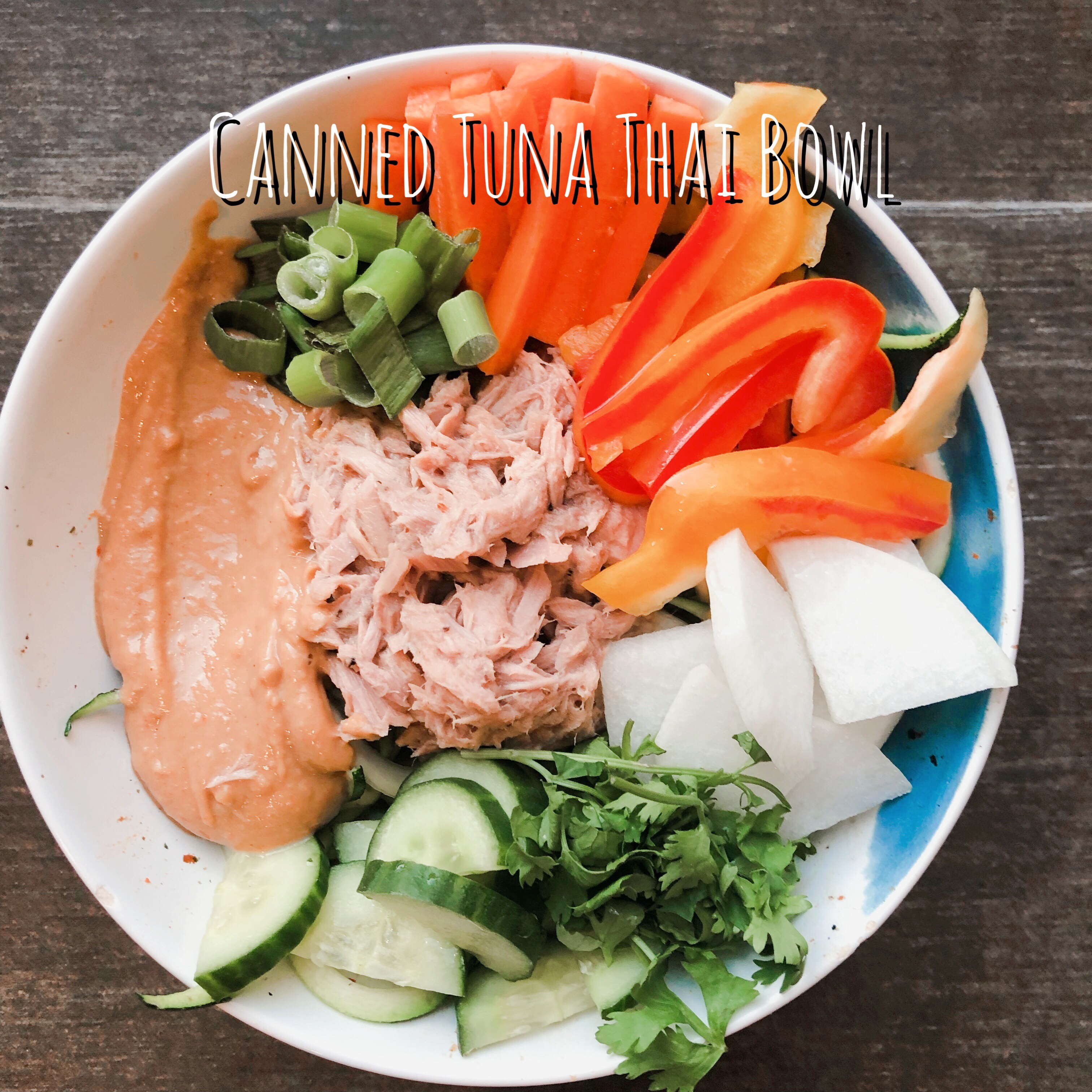
Canned Tuna Thai Bowl

This Summer, my seasonal obsession with seafood has taken the form of canned tuna. Which is great for my wallet and healthy, so I’m not complaining.

I was, however, starting to feel like I was getting into a rut with my favorite dead-simple pasta + other warm-ish and cozy things that at least approximated the feel of tuna noodle casserole. Ok, not actually really, but in my mind that’s what was going on.

I have issues, I know.

This recipe takes my current love, digs the can of weird Aryan kid peanut butter that’s a pain in the ass to use out of the pantry, and goes somewhere approximating Thailand with it. Thailand, at least in peanut sauce and some toppings. I used what I could find locally and what my FODMAP diet would allow me.

gluten-free, paleo, pescatarian, FODMAP

Canned Tuna Thai Bowl

1 large zucchini, spiralized into noodles

1 medium carrot, cut into matchsticks

1/2 red bell pepper, also matchsticked

1/3 daikon or other radish, sliced or grated or whatever

1 small can tuna per serving (I used 95g cans of lemon pepper flavor)

Cilantro & lime to top

Dressing:

1/2 cup peanut butter (mine was natural unsweetened)

2 Tbsp. apple cider vinegar

1 Tbsp. coconut aminos or soy sauce or tamari

2 tsp. fish sauce

2 tsp. grated ginger

Big pinch cayenne pepper

Salt & pepper

Juice of 1 lime or 1/2 lemon

Honey or other sweetener to taste if you need to balance flavors (I ended up using 1 tsp. because I got a tad over zealous with the ACV)

Prep all your veggies. Sautee the zucchini noodles in a dry pan until your desired doneness is reached. Split into 2 servings.

While your zoodles are working, zap the peanut butter in a large microwave-safe vessel :20 or so or until warm. Add the rest of the ingredients and stir carefully to form a sauce.

Assemble your bowl and top with peanut butter sauce, cilantro & more lime juice.

Makes 2 bowls zucchini-wise; the rest of the ingredients can stretch a couple more. Keep in mind that when you grab out of the fridge, you might want to add a Tablespoon of water to your sauce and zap it in the microwave :15 or so to loosen up to a drizzle-able consistency (especially if your peanut butter is the hippie kind with the oil on top).

Dutch-Style Shrimp Deviled Eggs

This simple appetizer is quick to put together, serves a crowd, and gives a bit different flavor to an old favorite (at least for my American readers).

A note for those American readers: If you’re a fan of American-style deviled eggs, you’re going to think that these yolks will never hold together with this amount of mayonnaise. Resist the urge to add more – it *does* work. Don’t go into auto-pilot. Be strong: the difference in taste is worth it.

Gluten-free, Paleo, pescatarian

Dutch-Style Shrimp Deviled Eggs

12 large eggs
8 ounces tiny sized shrimp (canned is fine)
3 Tbsp. mayonnaise or aioli (I used Kewpie mayo)
3 tsp. ketchup (I used American-style)
3 tsp. whiskey
Salt & pepper
Chives for garnish

First, hard boil and peel the eggs. Halve lengthwise and add the yolks to a bowl.

Add the mayo, ketchup & whiskey. Chop the shrimp into small bits, reserving 1 per egg half for garnish. Add the chopped shrimp to the bowl.

Mix to combine, taste, and add salt and pepper to taste.

Spoon the mixture into each egg half, top with a whole shrimp, and snip chives to garnish.

Serves a party